Independent radio stations occupy a unique space in the music ecosystem. They champion emerging artists, spotlight niche genres, and serve communities often overlooked by mainstream broadcasters. Yet behind every three-minute track that reaches the airwaves lies a detailed, multi-layered verification process.
Before a song earns airplay approval, it is evaluated for technical quality, legal compliance, artistic merit, audience suitability, and broadcast readiness. Independent stations may operate with smaller teams than major networks, but their standards are often just as rigorous.
The Foundation of Broadcast Standards

Independent stations operate under regulatory frameworks that define acceptable broadcast practices. In the United States, the Federal Communications Commission sets technical and content standards. In the United Kingdom, oversight comes from Ofcom. Many independent stations also align with industry guidance from the National Association of Broadcasters to maintain professional consistency.
Verification begins with compliance:
• Ensuring no prohibited content violates decency regulations
• Confirming advertising disclosures if applicable
• Checking for unlicensed samples or unauthorized recordings
• Verifying technical loudness and transmission standards
Even community stations follow strict licensing rules, especially regarding public performance rights and royalty reporting.
Step 1: Submission Screening and Metadata Review
The first filter is administrative.
Every submitted track is reviewed for:
• Accurate artist and songwriter credits
• ISRC (International Standard Recording Code)
• Genre classification
• Release date
• Explicit content labeling
Incomplete metadata is one of the most common reasons songs are rejected early. Without proper identifiers, royalty reporting to organizations such as ASCAP, BMI, or PRS for Music becomes difficult. Many stations also coordinate digital performance royalties with SoundExchange.
Accurate metadata ensures artists are compensated properly and protects stations from legal risk.
Step 2: Technical Audio Quality Assessment
Sound quality verification is non-negotiable. Independent stations evaluate tracks using professional audio software and broadcast consoles.
Key Technical Criteria
• Bitrate (minimum 320kbps MP3 or WAV preferred)
• Sample rate consistency (44.1 kHz or 48 kHz standard)
• Proper mastering levels
• Absence of clipping or distortion
• Balanced stereo imaging
Many broadcasters reference loudness normalization standards inspired by international measurement guidelines. A song that sounds perfect on headphones may distort when transmitted over FM compression systems.
Stations assess:
• Dynamic range
• Frequency balance
• Background noise
• Vocal clarity
• Fade-in and fade-out smoothness
A poorly mastered song can sound muddy after broadcast compression, so pre-airplay adjustments are sometimes required.
Step 3: Content Review and Editorial Standards
Independent radio stations take editorial responsibility seriously. Songs are evaluated for lyrical suitability based on:
• Time-of-day scheduling (watershed rules in some regions)
• Community values
• Cultural sensitivity
• Hate speech or defamatory content
Stations may produce clean edits when necessary, but only with proper authorization.
Regulatory frameworks vary by country, but broadcasters often align with national standards to avoid penalties or listener complaints.
Step 4: Artistic and Programming Fit
Technical perfection alone does not guarantee airplay. The song must fit the station’s identity.
Program directors evaluate:
• Genre compatibility
• Target audience alignment
• Emotional tone
• Energy level relative to playlist flow
• Repetition avoidance
For example, a late-night alternative station might favor atmospheric tracks, while a daytime community station may prioritize upbeat selections.
Music directors often hold listening panels where multiple team members score submissions based on:
• Originality
• Production quality
• Audience appeal
• Replay value
This collaborative review reduces bias and strengthens programming consistency.
Step 5: Legal and Copyright Clearance
Before airplay approval, stations confirm that the track is legally cleared.
Verification includes:
• Ownership confirmation
• Sample clearance documentation
• Distribution rights validation
• Label authorization (if applicable)
Independent artists sometimes submit demos containing uncleared samples. Stations must reject these to avoid infringement claims.
Performance royalties are tracked through reporting systems aligned with collecting societies. Accurate reporting protects both the station and the artist.
Step 6: Audience Testing and Analytics
Some independent stations use data-driven insights to guide decisions. While they may not have corporate-level analytics, many reference audience measurement services such as Nielsen for broader listening trends.
Internal tools include:
• Listener polls
• Website feedback
• Streaming metrics
• Social engagement analysis
Tracks that generate strong online engagement often receive trial rotation slots before full playlist integration.
Step 7: Trial Airplay and Rotation Monitoring
Before adding a song to regular rotation, many stations schedule limited trial airplay.
During this phase, they monitor:
• Listener feedback
• Call-in reactions
• Streaming spikes
• Song completion rates
If audience engagement drops significantly during a track, it may be removed from rotation.
This process ensures programming remains dynamic and responsive.
Independent vs Commercial Radio Verification Standards
A Side-by-Side Comparison of Song Approval Processes
| Evaluation Factor | Independent Radio | Commercial Network Radio |
|---|---|---|
| Submission Volume | Moderate | High |
| Decision Makers | Small editorial team | Corporate programming boards |
| Artistic Flexibility | High | Moderate |
| Technical Standards | Professional | Professional |
| Legal Verification | Direct verification | Often label-managed |
| Trial Testing | Local listener feedback | Market-wide research |
| Playlist Diversity | Wide-ranging | Format-restricted |
Independent stations often exercise greater curatorial freedom, but they maintain comparable technical and legal rigor.
Broadcast Chain Compatibility Testing
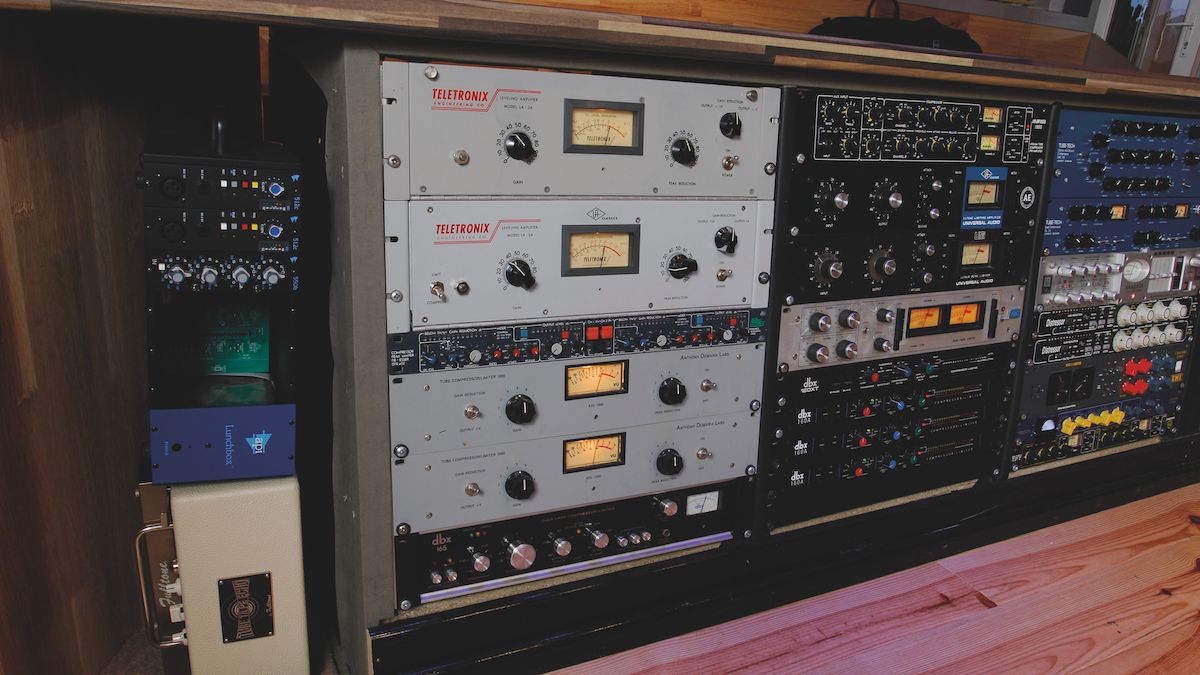
A critical but less discussed step involves signal chain compatibility.
Songs are tested for:
• FM compression artifacts
• AM bandwidth limitations
• Streaming encoding degradation
• Mobile playback clarity
Broadcast compression can exaggerate harsh frequencies or flatten dynamic tracks. Engineers adjust levels to ensure consistency across:
• Car radios
• Portable devices
• Smart speakers
• Online streaming platforms
A song that sounds polished in the studio must withstand transmission processing without losing impact.
Community Responsibility and Ethical Review
Independent radio stations often serve tightly connected communities. Their verification process considers:
• Representation and inclusivity
• Local relevance
• Community standards
• Cultural respect
Stations balance artistic freedom with responsibility to listeners. Songs promoting harmful or discriminatory messages rarely pass editorial screening.
The Role of Music Directors and Engineers
Verification is rarely handled by one person alone.
Music Directors Focus On:
• Programming cohesion
• Artist credibility
• Audience appeal
Broadcast Engineers Focus On:
• Audio integrity
• Transmission compatibility
• Loudness compliance
Collaboration between creative and technical teams ensures every approved track meets broadcast excellence standards.
Red Flags That Lead to Rejection
Independent stations commonly reject submissions due to:
• Low audio bitrate
• Noticeable distortion
• Missing metadata
• Copyright uncertainty
• Offensive or defamatory lyrics
• Poor production balance
Many stations provide constructive feedback, especially to independent artists seeking improvement.
How Artists Can Increase Approval Chances
Understanding the verification process significantly improves acceptance rates.
Practical Preparation Checklist
• Submit high-resolution audio files
• Include complete metadata and ISRC
• Provide proof of rights ownership
• Label explicit content clearly
• Ensure professional mastering
• Align submission with station format
Artists who research a station’s playlist and audience demographic demonstrate professionalism and improve their odds.
The Importance of Documentation and Transparency
Transparent documentation protects all parties.
Stations archive:
• Submission records
• Licensing confirmations
• Broadcast logs
• Royalty reports
These records are critical in case of disputes or audits. Transparency strengthens trust between artists, stations, and regulatory bodies.
Independent Radio in the Digital Era
Modern independent stations operate both on FM/AM frequencies and online streaming platforms. Digital broadcasting introduces additional verification considerations:
• Streaming bitrate optimization
• Podcast licensing restrictions
• International royalty obligations
• Platform compliance policies
As stations expand globally through digital streams, they must account for cross-border licensing complexities.
Frequently Asked Questions
How long does it take for a song to be approved?
Approval timelines vary. Some community stations review submissions weekly, while others operate monthly evaluation cycles. High submission volumes may extend processing times.
Do independent stations accept unsigned artists?
Yes, many independent stations actively support unsigned and emerging artists, provided the music meets technical and editorial standards.
What file format is best for submission?
Uncompressed WAV files or 320kbps MP3 files are typically preferred for optimal broadcast quality.
Are explicit songs automatically rejected?
Not necessarily. Approval depends on time-of-day regulations and station policy. Some stations require clean edits for daytime airplay.
Can rejected songs be resubmitted?
Often yes, especially if technical issues or documentation gaps are corrected.
Do stations charge for airplay?
Legitimate independent stations do not require payment for editorial airplay approval. Ethical standards prioritize merit-based selection.
Why does mastering matter so much?
Broadcast compression can amplify flaws. Proper mastering ensures clarity, balanced frequencies, and consistent loudness across devices.
How do stations track royalties?
Stations report performance data to recognized collecting societies and digital rights organizations, ensuring artists receive compensation.
The Bigger Picture: Why Rigorous Verification Matters
Independent radio stations play a critical role in music discovery. Their verification process protects:
• Listener trust
• Artist compensation
• Legal compliance
• Technical excellence
• Community standards
Without structured review systems, airwaves could be flooded with low-quality or unauthorized content. Instead, independent stations maintain curated playlists that reflect integrity and professionalism.
Song quality verification is not merely a gatekeeping mechanism. It is a collaborative safeguard that ensures every broadcast:
• Sounds professional
• Respects copyright law
• Aligns with community expectations
• Represents the station’s brand identity
Independent radio thrives on authenticity and diversity. By combining editorial discernment with technical precision and legal diligence, these stations uphold broadcast standards while continuing to champion emerging talent.
For artists seeking airplay, understanding this verification journey transforms the submission process from guesswork into strategy. For listeners, it ensures that every track heard on independent radio meets a carefully maintained benchmark of quality.
In an era of unlimited digital uploads, the discipline of structured airplay approval remains one of independent radio’s strongest assets. It reinforces credibility, strengthens artist relationships, and sustains the trust that keeps communities tuned in day after day.