A familiar record can become so comfortable that we stop hearing the choices inside it. Motown is a perfect place to reverse that habit. Beneath the instantly recognizable names is a story about a small Detroit business, ambitious performers and songs built to make a connection. Revisiting that beginning offers a rewarding listening session—and a different way to hear the music already in your collection.
A family loan and a Detroit address
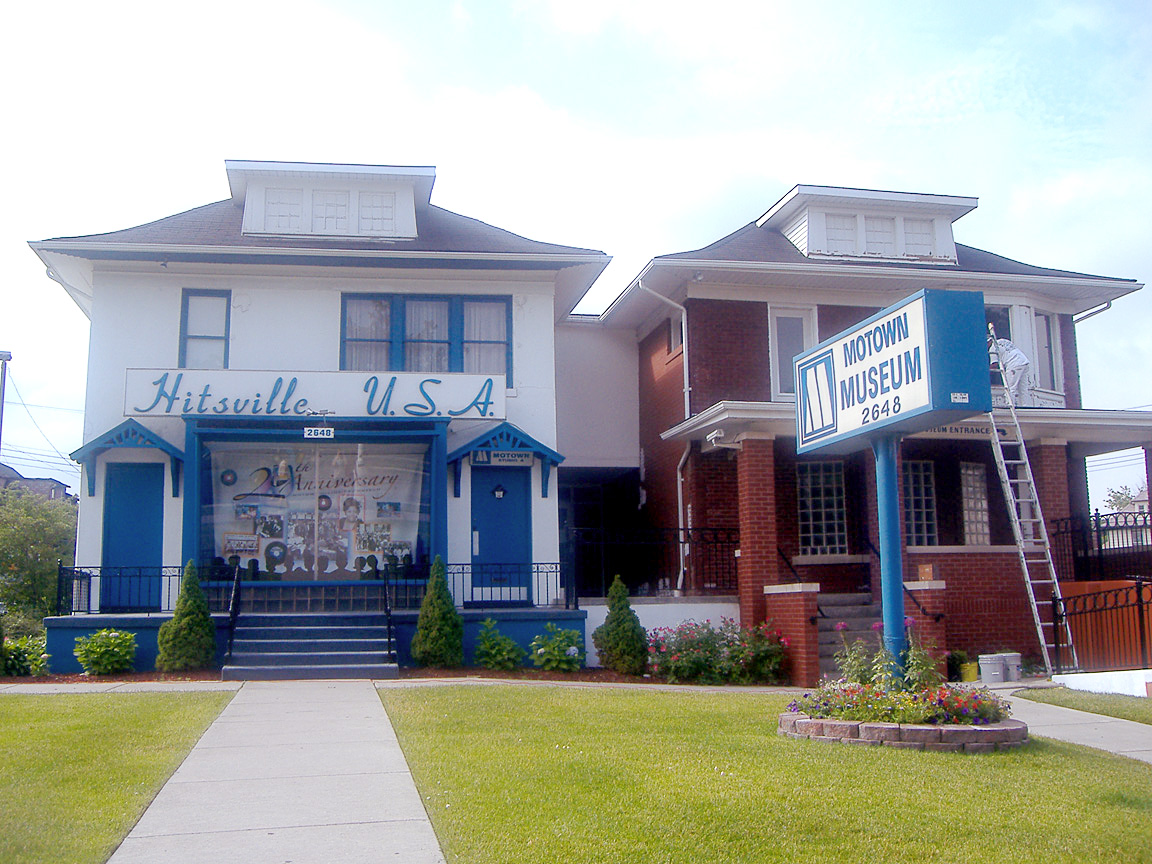
According to the Detroit Historical Society, Berry Gordy founded Tamla Records on January 12, 1959, with an $800 family loan. He added the Motown label later that year and bought the West Grand Boulevard property that became Hitsville U.S.A. A former photography studio was converted into a recording space; Tamla and Motown were incorporated under Motown Record Corporation in 1960.
Those details matter because they give the legend a human scale. Before the name became shorthand for an era, there were rooms to work in, records to release and listeners to win. The historical society identifies Barrett Strong’s “Money (That’s What I Want)” as an early hit and the Miracles’ 1960 release “Shop Around” as the company’s first million-selling record.
Hear the people inside the sound
The Motown Museum’s account of the label’s beginnings describes Gordy living upstairs with his family while the business operated below. It also points to the breadth of the artists associated with the Motown sound, including the Supremes, the Four Tops, Stevie Wonder, Marvin Gaye and the Jackson 5.
Try turning that history into a listening exercise. Start with “Shop Around.” On the first pass, follow the lead vocal. On the next, pay attention to the responses around it and the rhythm underneath. Then choose a favorite from another Motown act. Listen for differences in phrasing and personality instead of treating every recording as an example of one fixed formula. A label’s identity can bring artists together without making their voices interchangeable.
Leave room for the questions
For a change of mood, move to Marvin Gaye’s 1971 album What’s Going On. The Library of Congress essay on the recording places it within a period of personal grief and social turmoil for Gaye; the album entered the National Recording Registry in 2003.
That makes it a useful next stop after the early singles. Give the album more room than a shuffled track between errands. Notice how the atmosphere changes your attention, and how a voice can invite reflection as well as movement. You do not need to rank these records against one another to appreciate the different things they ask of a listener.
For today’s playlist, the invitation is simple: pick one familiar Motown favorite and one you barely know. Listen all the way through. History becomes much more interesting when it has a sound.
Photo: Hitsville U.S.A., Detroit, June 19, 2006. Chris Butcher (Blob4000), via Wikimedia Commons; public domain.
