
Some albums become so closely associated with one song that the rest of the record can slip out of view. Luther Vandross’s Never Too Much deserves the opposite treatment: start with the familiar title, then give the whole album room to introduce itself. For an evening listening session, its compact running time offers an inviting way back into his early solo work.
Released on August 12, 1981, the album marked Vandross’s solo debut. His official website confirms the release date, while the official album page identifies Epic as its label. Apple Music lists seven songs and approximately 36 minutes. This is a catalog spotlight, not an announcement of a new release.
Begin with the song you know
Play “Never Too Much” first, but make this listen a small exercise in attention. Choose one element to follow: the lead vocal, the backing voices, or the rhythm underneath. On a second pass, switch your focus. Familiarity can make a favorite feel automatic; listening for one part at a time gives you a reason to stay with it beyond the chorus.
Then resist the temptation to jump straight to another greatest hit. The album format gives a singer more space than a single does. You can hear how different songs ask for different kinds of energy, and decide which side of the artist you want to explore next.
Make room for the other songs
“Don’t You Know That?” and “Sugar and Spice (I Found Me a Girl)” are useful next stops. Rather than treating them as supporting material, give each its own uninterrupted listen. Which phrase stays with you? Does the arrangement draw your attention toward the singer or toward the musicians? There is no required answer; these are prompts for finding your own favorites.
Add “I’ve Been Working” to that comparison. A listening guide should open a door, not turn the experience into homework. If one of these songs catches you before the better-known selections do, follow that interest. The most rewarding discovery may be the track you had previously passed over.
Leave time for “A House Is Not a Home”
The album also includes Vandross’s interpretation of “A House Is Not a Home.” Give it space without immediately queuing another song. Compare the experience with the title track: what changes when you focus on the shape of a vocal performance rather than simply recognizing a hook?
For the full sequence, use the album listing on Apple Music or the streaming links on Vandross’s official site. After one complete play, pick the song you would send to a friend who knows only “Never Too Much.” That recommendation is the beginning of a more personal Luther Vandross playlist.
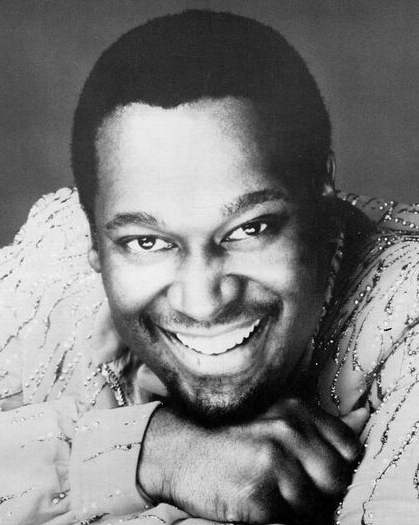
Archival photograph: Luther Vandross, 1982; photographer unidentified. Via Wikimedia Commons, which documents its U.S. public-domain status (publication without copyright notice). The photograph dates from the year after the album’s release.