
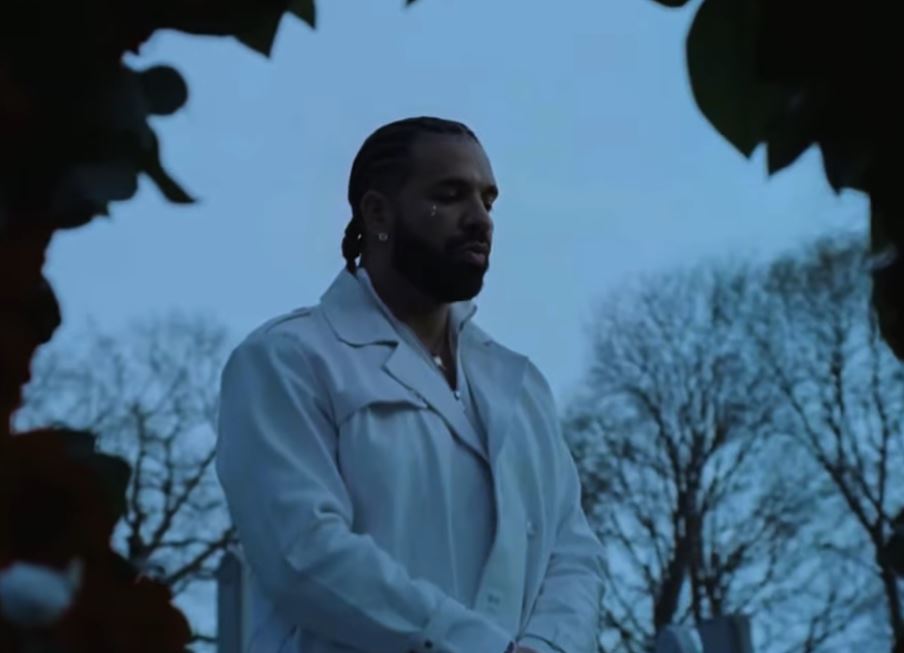
The global hip-hop landscape has been set completely ablaze by an unprecedented, massive shock release from Drake. In a tactical maneuver designed to thoroughly dominate the global charts, the Toronto megastar unexpectedly dropped three full-length studio albums simultaneously, containing a staggering 43 brand-new songs. Coming exactly two years after his highly publicized, explosive lyrical feud with Kendrick Lamar, this surprise release represents an aggressive, calculated “zone-flooding” strategy to reclaim his position at the apex of the commercial streaming ecosystem.
The sheer scale of the release has completely overwhelmed digital service providers (DSPs), instantly causing massive traffic surges on Spotify and Apple Music. The drop is split into three distinct sonic packages: “Iceman,” which features a return to hard, continuous rap bars; “Habibti,” a collection of jazzy, late-night R&B cuts; and “Maid of Honour,” which sees Drake reuniting with house producer Gordo for a rhythmic, uptempo sequel to his 2022 dance-leaning project. By delivering all three sides of his signature sound at once, he is attempting to make his music an inescapable presence across every radio format and nightlife venue.
Airing Out Grievances and Reclaiming the Narrative
The lyrical content across the projects proves that Drake is leaning directly into the intense scrutiny he has faced over the last two years. On the title track of “Iceman,” he openly adopts the persona of an artist iced out by an industry that once universally embraced him, turning the label of victimhood into a sharp competitive edge. The most fiercely debated track on the internet right now is “Ran To Atlanta,” which serves as a direct, unapologetic response to Kendrick Lamar’s characterization of him as a cultural outsider. In a major shock to fans, the track reunites him with Future—the very artist whose album hosted the verse that initiated the entire rap war in the first place—proving that industry alliances are completely shifting in 2026.
The Algorithmic Playbook for Chart Dominance
From an operational perspective, flooding the digital space with 43 songs is a brilliant mathematical play tailored to modern billboard metrics. In the streaming era, total volume frequently translates directly into historic chart records, as millions of dedicated fans loop massive playlists continuously. While some music critics argue that the project suffers from a repetitive structure and predictable beat switches, the commercial reality is undeniable: this release forces a sluggish post-pandemic nightclub culture to stay anchored to his catalog. For independent digital radio networks and entertainment blogs, this massive event creates an exceptionally lucrative content window. Building targeted article silos around individual track breakdowns, lyric meanings, and the fallout of the renewed rap rivalry will reliably capture the historic wave of global search traffic, driving immediate AdSense optimization and long-term user retention.
Ultimately, Drake’s massive three-album drop proves that his strategy for survival in a highly competitive market relies on sheer, inescapable volume. By expanding his musical footprint across rap, R&B, and global dance music simultaneously, he is reminding the entire music business of his unparalleled hitmaking capability. Whether this massive release permanently silences his harshest critics or simply oversaturates the marketplace, it stands as an undeniable masterclass in pure cultural disruption that dictates the entire musical conversation.