
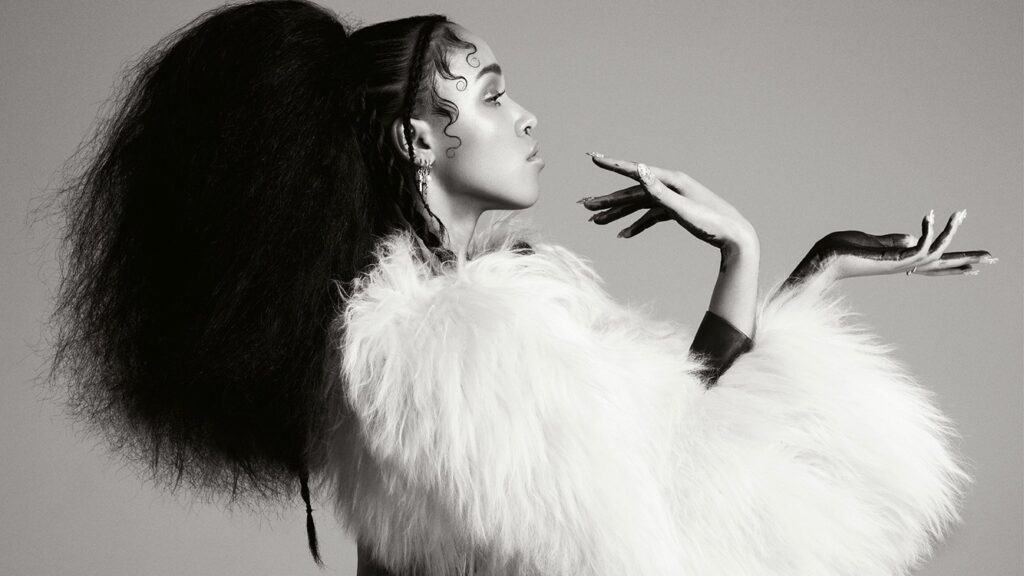
The alternative and avant-garde music communities have been thrust into a fascinating legal and cultural standoff following an aggressive trademark lawsuit filed against FKA Twigs. The legal action, brought forward by the 1990s indie-pop duo operating simply as “The Twigs,” seeks a permanent injunction to legally bar the multi-disciplinary superstar from performing, recording, or marketing merchandise under her famous moniker. This escalation brings a simmering, decade-long naming dispute to a head, threatening to disrupt the branding of one of modern pop music’s most critically acclaimed visionaries.
The plaintiffs, sisters Laura and Linda Good, originally registered the trademark for “The Twigs” in the mid-1990s, releasing a series of guitar-driven pop-rock albums that earned a loyal, niche following. When Tahliah Debrett Barnett burst onto the UK music scene in the early 2010s under the name “Twigs,” she was quickly hit with a cease-and-desist from the duo. In an effort to resolve the initial conflict, Barnett appended the acronym “FKA” (Formerly Known As) to her name. For over ten years, this compromise seemed to suffice, allowing FKA Twigs to construct a massive global brand built on cinematic music videos, high-fashion partnerships, and experimental electronic pop. However, the new lawsuit alleges that the “FKA” prefix has utterly failed to prevent consumer confusion in the digital streaming age.
The Digital Dilemma of Brand Confusion
The core of the legal argument rests on how modern streaming algorithms and digital marketplaces handle similar artist names. The Twigs contend that search engine optimization flaws, automated playlist tagging, and voice-activated smart assistants routinely cross-contaminate their legacy catalog with Barnett’s avant-garde output. They argue that fans searching for their catalog are inadvertently redirected to FKA Twigs’ content, or worse, that their classic intellectual property is being systematically erased or overshadowed by the sheer volume of Barnett’s global media footprint. The lawsuit presents a stack of digital evidence, including automated metadata errors on major DSPs and social media tags where users confuse the two entirely distinct acts.
A Precedent for Moniker Warfare in the Pop Era
This high-stakes trademark battle is far from an isolated incident in the modern music business; rather, it highlights a recurring systemic vulnerability regarding artist branding. The industry has watched similar legal dramas unfold before, most notably when the country music titan Lady Antebellum rebranded to “Lady A” in 2020, only to find themselves locked in a fierce legal war with a Black blues singer who had used the exact same name for decades. Similarly, the British indie band The Charlatans were forced to add “UK” to their name for American releases to avoid litigation from an older US ensemble. The FKA Twigs case, however, introduces a unique paradox: the artist explicitly integrated the legal dispute into her permanent identity via “Formerly Known As,” turning a corporate compromise into an iconic piece of pop-culture branding.
For entertainment bloggers, digital publishers, and music industry analysts, this unfolding courtroom drama offers an incredibly lucrative traffic window. The intersection of intellectual property law, pop culture celebrity, and algorithmic metadata errors provides fertile ground for deep-dive editorial content. Outlets can maximize their digital footprint by constructing highly optimized content clusters detailing the history of trademark infringement in music, legal breakdowns of court standards, and opinion pieces gauging public sentiment. Forcing a household name to rebrand a decade into a highly successful career is an exceptionally rare and polarizing event, guaranteeing high user engagement, extensive comment-section debates, and sustained search engine visibility.